Jianghu
- Say it
- JYAHNG-hoo
- Literally
- Rivers and lakes
- Category
- Culture
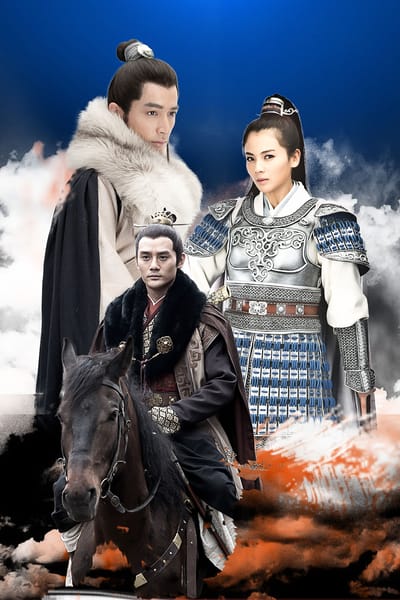
Jianghu literally means "rivers and lakes," but in Chinese stories it names a whole social world: the martial artists, sects, clans, bodyguards, swordsmen for hire, beggars' guilds, and wandering heroes who live outside the imperial court's reach. English subtitles sometimes translate it as "the martial world" or "the pugilistic world," and sometimes leave it as jianghu.
The jianghu has its own unwritten rules. Debts of gratitude must be repaid, a sworn oath binds for life, and disputes are often settled by duels rather than courts. Reputation is everything. A hero's name travels from inn to inn, and a sect's standing depends on its leader's honor as much as its fighting skill.
The phrase "once you enter the jianghu, you can't leave on your own terms" comes up a lot, in dialogue and in fan discussion. It captures the genre's central tension: the freedom of living outside the law comes with feuds and obligations that follow you.
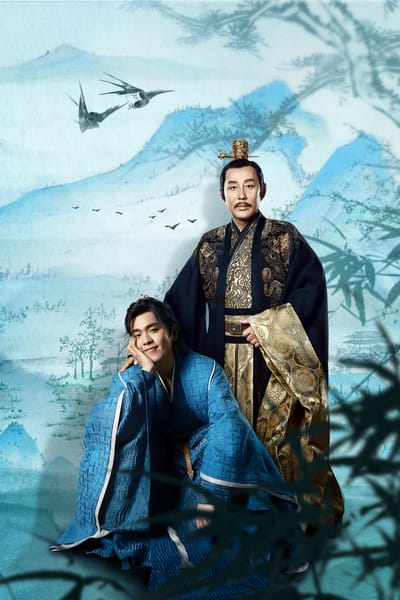
Court dramas often use the jianghu as a counterweight to palace politics. In Nirvana in Fire, the hero leads a jianghu alliance whose network of information and fighters gives him power that the court can't see. Watching how the two worlds meet is a big part of the show's appeal.
The term belongs to wuxia stories first, but you'll hear it in modern dramas too, used loosely to mean the rough-and-tumble world of business or crime.