Wuxia
- Say it
- WOO-shyah
- Literally
- Martial hero
- Category
- Genres
Wuxia is China's martial-arts adventure genre. Wu means martial, xia means a hero who acts out of a sense of justice, and together they describe stories about skilled fighters who live by their own code rather than the state's. If you've seen films like Crouching Tiger, Hidden Dragon, you've seen wuxia.
The genre's natural setting is jianghu, the loose world of sects, clans, inns, and wandering swordsmen that exists alongside the imperial court. Typical ingredients are rival martial arts schools, secret techniques, sworn brothers, revenge, and questions of loyalty. Fighters can leap across rooftops and fight with superhuman skill, but unlike xianxia, wuxia heroes are human. They don't become immortals or travel between realms.
Many classic wuxia dramas are adapted from the novels of Jin Yong (Louis Cha) and Gu Long, which have been remade for TV again and again since the 1970s.
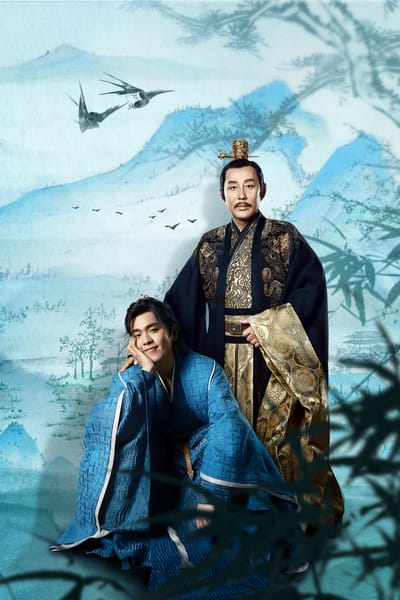
Modern dramas often blend wuxia with court politics. Nirvana in Fire is mainly a political drama, but its hero leads a powerful jianghu alliance, and martial artists move through its plot. Joy of Life mixes court intrigue, comedy, and martial arts in a similar way.
When we tag a drama as wuxia, martial arts and the jianghu world are central to the story, not just a fight scene or two.
Dramas where you will hear it
Related terms
- Jianghu江湖 · jiāng húThe world of martial artists, sects, and wanderers that exists outside the imperial court and its laws in wuxia stories.
- Xianxia仙侠 · xiān xiáChinese fantasy about immortals, gods, demons, and humans cultivating toward immortality, set across heavenly and mortal realms.
- Shixiong师兄 · shī xiōngSenior martial brother, the way a disciple addresses a male fellow disciple who joined the same master or sect earlier.