Wangye
- Say it
- WAHNG-yeh
- Literally
- Lord prince
- In a scene
- "Wangye, the carriage is ready." (subtitled "Your Highness, the carriage is ready.")
- Category
- Forms of address
Wangye is the everyday way to address a titled prince. Wang is the title itself, often translated as prince or king, and ye is a respectful suffix for a senior man. Servants, wives, and officials all use it, and subtitles usually translate it as "Your Highness" or "Prince."
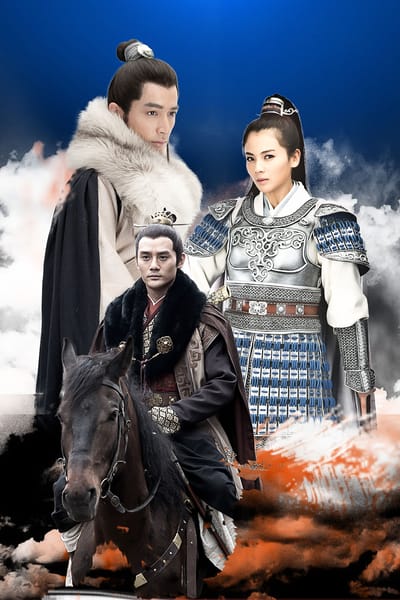
A prince with this title typically has his own residence outside the palace, his own household, and sometimes his own political faction. That makes the wangye a common figure in historical romance: the powerful, often mysterious prince whose favor can save or ruin the heroine. Many dramas build their hero around exactly this role.
It's worth knowing who isn't called wangye. The emperor is huangshang. The crown prince and young princes who haven't received a title are usually addressed as dianxia, Your Highness. And in dramas set in some earlier periods, all princes are dianxia, so you may not hear wangye at all.
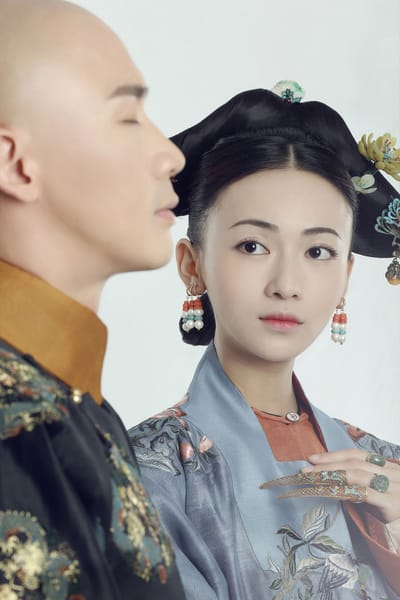
In Story of Yanxi Palace, set in the Qing court, the emperor's titled relatives are addressed this way.
The prince's wife is wangfei, the princess consort. Daughters of noble households, who might be married to a prince, are addressed as xiaojie by servants at home.