Huangshang
- Say it
- HWAHNG-shahng
- Literally
- The emperor above
- In a scene
- "Huangshang, please calm your anger." (subtitled "Your Majesty, please calm down.")
- Category
- Palace ranks
Huangshang is the emperor, spoken of or spoken to. Officials kneeling in court, consorts in the inner palace, and eunuchs delivering a message all use it. Subtitles usually translate it as "Your Majesty" or "His Majesty."
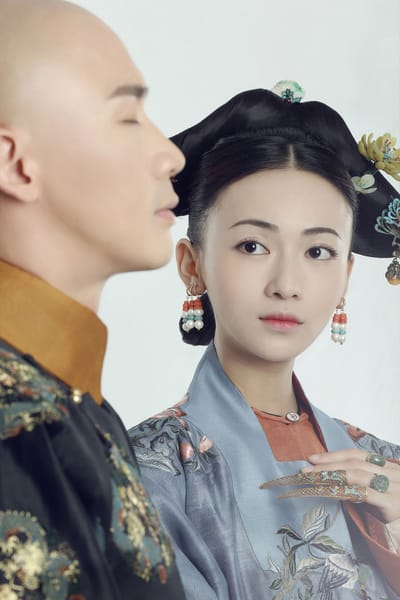
It's the standard form in dramas set in the Qing dynasty, the last imperial dynasty, which is why you'll hear it constantly in Story of Yanxi Palace. Other periods use other words, and dramas that care about historical flavor follow them. Dramas set in earlier dynasties often use bixia, Your Majesty, and Song-dynasty dramas such as The Story of Ming Lan use guanjia. Dramas set in invented dynasties pick whichever fits their tone.
The emperor's own pronoun is zhen, an "I" that only he may use. So a typical exchange might be a consort calling him huangshang, referring to herself as bengong to others, and being addressed as niangniang by her maids.
The emperor's brothers and sons who hold princely titles are addressed differently: in Qing dramas, often as wangye.
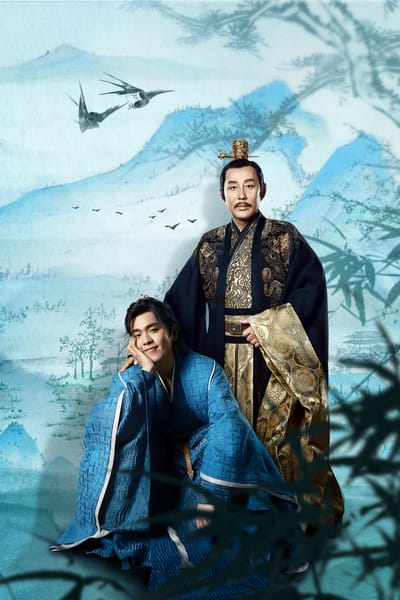
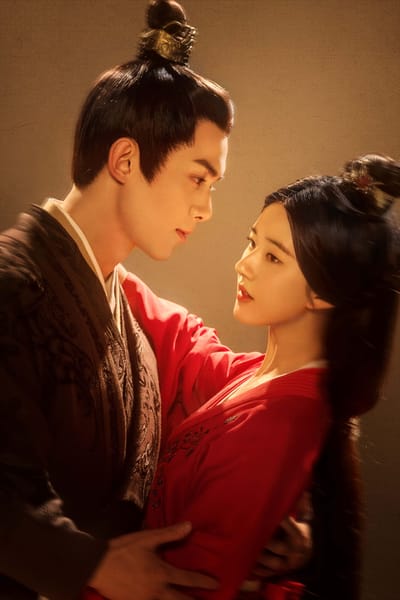
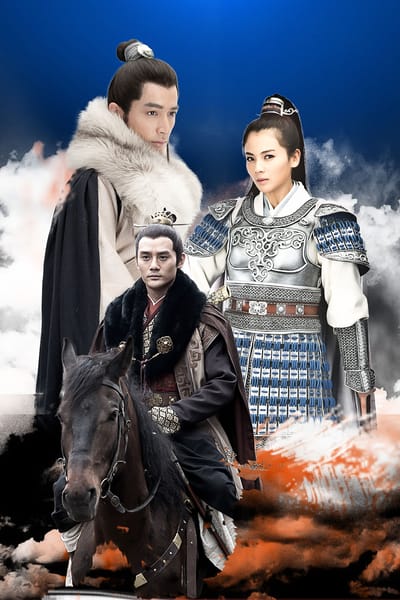
Dramas where you will hear it
Related terms
- Niangniang娘娘 · niáng niangA respectful form of address for an empress or high-ranking consort, used by servants, officials, and lower-ranking women.
- Bengong本宫 · běn gōngHow an empress, consort, or princess refers to herself in Chinese historical dramas: a formal "I" that announces her rank.
- Wangye王爷 · wáng yeHow people address or refer to a prince who holds a princely title, usually the emperor's brother, uncle, or adult son.