Bengong
- Say it
- BUN-gong
- Literally
- This palace
- In a scene
- "Bengong will not ask twice." (subtitled "I will not ask twice.")
- Category
- Palace ranks
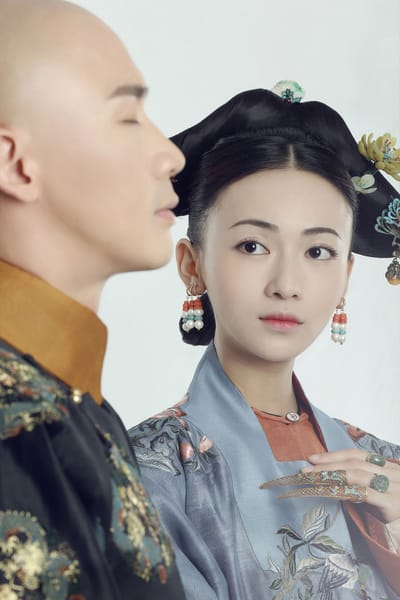
Bengong is a first-person pronoun. When a consort in a palace drama says "bengong will not allow it," she means "I will not allow it," but she is also reminding everyone in the room that she has a palace of her own and the rank that comes with it. English subtitles often flatten it to "I" or "this consort," so the sting is easy to miss.
The word works because rank in the inner palace was tied to residence. A consort high enough to be the mistress of her own palace hall could speak of herself as that palace. Lower-ranking women, who lived under another consort's roof, used humbler forms instead, and a maid would never use it at all. When a character switches from a humble pronoun to bengong, it usually marks a promotion or a power play.
In Story of Yanxi Palace, listen for how often senior consorts use it in arguments: it's a verbal way of pulling rank before anyone else can. Story of Kunning Palace plays with the same language from a different angle, since its heroine was an empress in her first life and knows exactly what the title costs.
The emperor never uses bengong. His pronoun is zhen, reserved for the ruler alone, and courtiers address him as huangshang in Qing-set dramas. Women of rank are addressed by others as niangniang, so a single exchange can contain both sides of the same relationship: "Niangniang, please calm down." "Bengong is perfectly calm."
Princesses and crown princes can use bengong too, which is why you'll occasionally hear it from a young prince in a court drama.