English subtitles do a good job with plot, but they can't carry everything. Many of the words characters use to address each other signal rank, family ties, or respect in ways that "Your Highness" or "brother" can't capture. Once you know a dozen or so terms, you'll start noticing them by ear, and scenes that seemed simple will turn out to have a lot going on.
This guide groups the most common terms by the kind of drama you'll meet them in. Most link to a fuller glossary entry.
Palace and court terms
Palace dramas run on hierarchy, and the language shows it.
- Bengong (本宫): how an empress, a high-ranking consort, or a princess says "I." It means "this palace," and using it is a way of pulling rank.
- Niangniang (娘娘): how servants and lower-ranking people address an empress or senior consort.
- Huangshang (皇上): the emperor, as addressed by everyone in his court, especially in Qing-dynasty dramas. The emperor himself uses zhen, a word for "I" that no one else may use.
- Wangye (王爷): a prince with a title, often the emperor's brother or son.
Listen to who uses which word in a scene, and you'll often know who has the upper hand before anything happens. These are the palace and court dramas we cover:
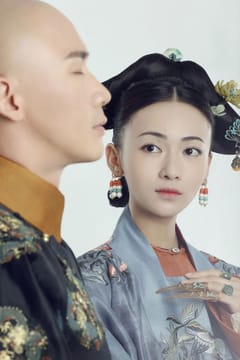 Story of Yanxi Palace2018 · 70 eps
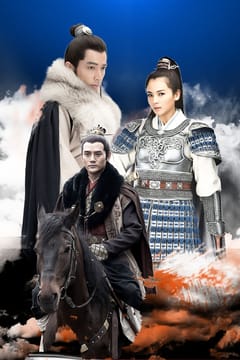 Nirvana in Fire2015 · 54 eps
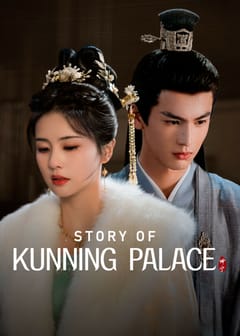 Story of Kunning Palace2023 · 38 eps
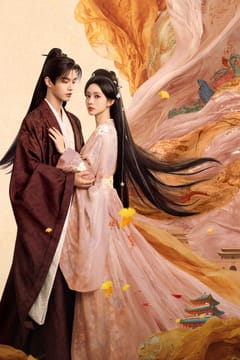 Blossoms of Power2026 · 36 eps
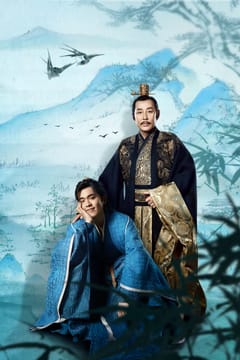 Joy of Life2019 · 46 eps
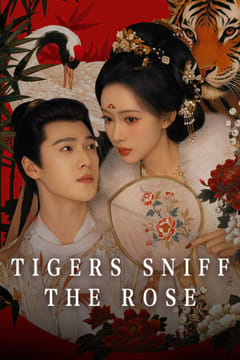 Tigers Sniff the Rose2026 · 40 eps
Family and everyday address
Chinese uses family terms far more widely than English does.
- Gege (哥哥): older brother, but also used for older male cousins and close older friends, and sometimes between couples. Don't confuse it with 格格, also romanized gege, the title of a Manchu princess in Qing-dynasty dramas.
- Xiaojie (小姐): "Miss," used by servants for a daughter of a wealthy household.
- Guniang (姑娘): a young unmarried woman, or a polite way to address one. In some historical households, it's also used for the family's daughters.
Subtitles sometimes drop these terms or flatten them into "brother" and "miss," so listen to the Mandarin audio. A heroine who switches from calling someone gege to using his name is telling you something.
Martial arts and xianxia terms
Fantasy and martial-arts dramas have their own vocabulary.
- Wuxia (武侠): martial-arts adventure about heroes with their own code of honor.
- Jianghu (江湖): the world of martial artists, sects, and wanderers that exists outside the law.
- Xianxia (仙侠): fantasy about immortals, gods, and demons, set across heavenly and mortal realms.
- Cultivation (修炼): the practice of building spiritual power to grow stronger and live longer.
- Golden core (金丹): a stage of cultivation where a character's power condenses into a core inside the body.
The xianxia dramas we cover:
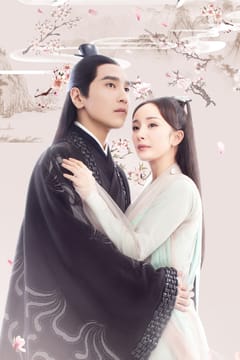 Eternal Love2017 · 58 eps
 Ashes of Love2018 · 63 eps
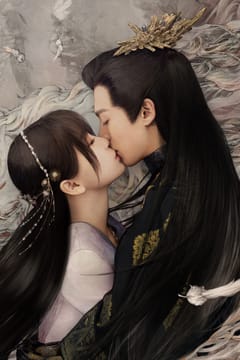 Love Between Fairy and Devil2022 · 36 eps
 Till the End of the Moon2023 · 40 eps
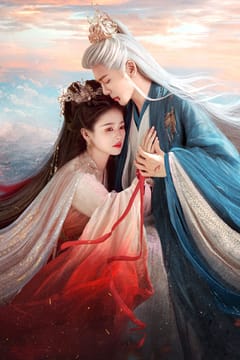 Feud2025 · 32 eps
Master and disciple
Sects in martial-arts and xianxia dramas are organized like families.
- Shizun (师尊): a reverent way to address one's master. You'll also hear the more everyday shifu.
- Shixiong (师兄): a senior male fellow disciple. His counterparts are shidi (junior brother), shijie (senior sister), and shimei (junior sister).
Seniority among disciples depends on who joined the sect first, not on age, which can lead to some funny moments when a much older character has to call a teenager "senior brother."
Fan vocabulary
Some terms come from fans rather than the dramas themselves.
- HE, BE, and OE: Happy Ending, Bad Ending, and Open Ending. Fans use these to talk about how a drama ends for its main couple. Our guide to Chinese drama endings explains them in more depth.
- Guzhuang (古装): "ancient costume," the broad label for dramas set in imperial China.
- Second lead syndrome: when you find yourself rooting for the character who isn't going to win the main romance.
Tips for picking up terms
- Listen to the Mandarin audio. Most of these terms are easy to hear once you know them, even without understanding Mandarin.
- Watch for patterns. Forms of address change when relationships change. A promotion, a betrayal, or a confession often comes with a new word.
- Check the Cultural Notes. Our drama pages include short notes on the terms and customs that matter most in each show.
Once you're comfortable with the vocabulary, our guide to watching Chinese dramas legally covers where to find your next show.